
What is IOT
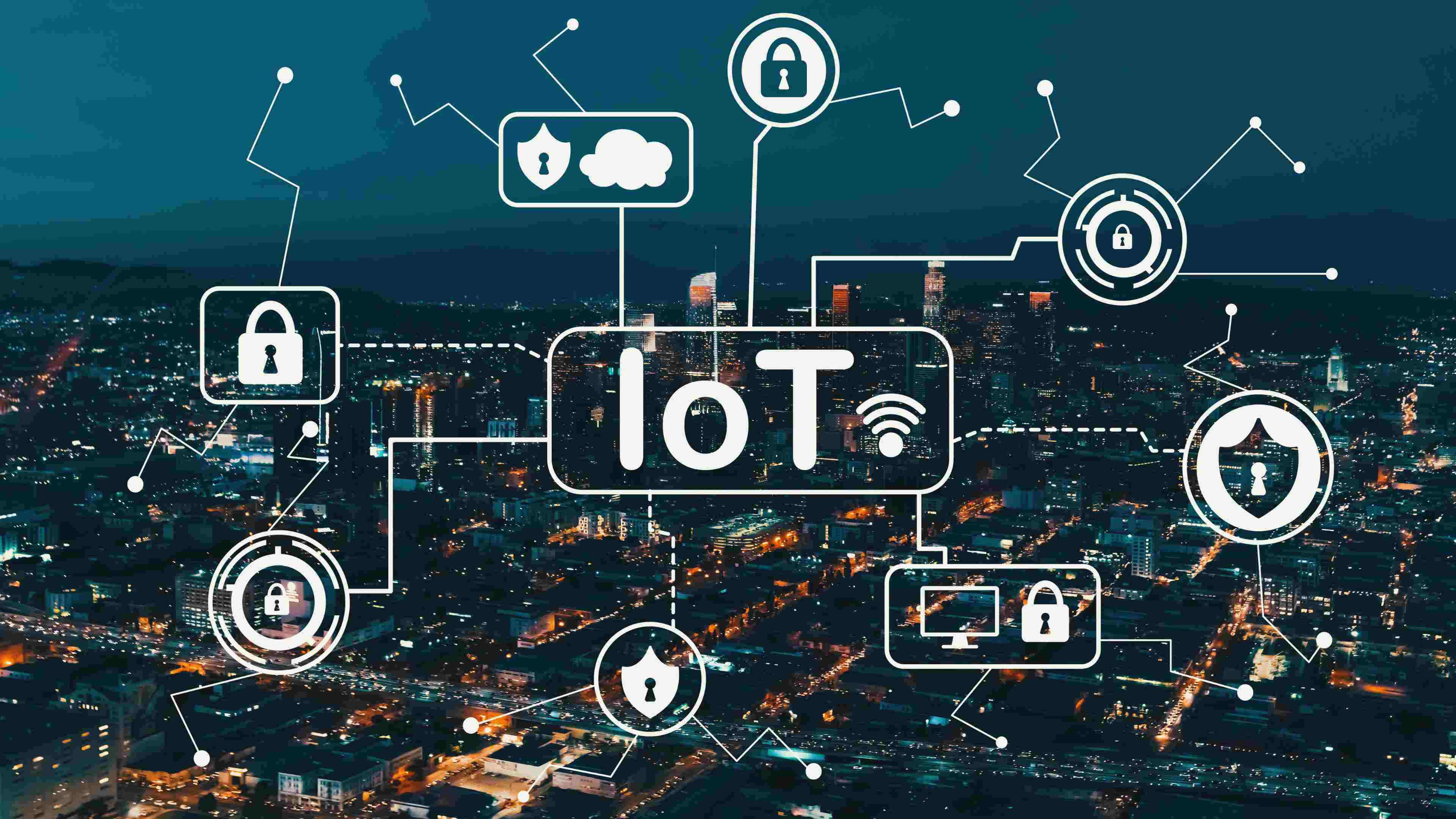
What is IOT (Internet Of Things)
IoT stands for the "Internet of Things." It refers to a network of physical objects, devices, machines, and other items that are embedded with sensors, software, and connectivity, allowing them to collect and exchange data over the internet. The concept behind IoT is to enable these "things" to communicate, interact, and collaborate with each other and with humans, leading to increased efficiency, automation, and improved decision-making.
Key characteristics and aspects of the Internet of Things include:
Connectivity: IoT devices are connected to the internet or other communication networks, enabling them to transmit and receive data. This connectivity can be wired or wireless, using technologies such as Wi-Fi, cellular networks, Bluetooth, and more.
Sensors and Data Collection: IoT devices are equipped with various types of sensors that can gather data from their surroundings. These sensors can include temperature sensors, motion sensors, light sensors, cameras, and more, depending on the device's purpose.
Data Processing: IoT devices often include onboard processing capabilities, allowing them to analyze the data they collect locally. This can help filter out irrelevant information and send only relevant data to centralized systems for further analysis.
Intercommunication: IoT devices can communicate with each other and with central platforms or systems. For example, a smart thermostat could communicate with smart light bulbs to adjust the lighting based on temperature changes.
Automation: IoT enables automation by allowing devices to perform certain actions or trigger events based on predefined conditions. For instance, a smart security camera can automatically send alerts and start recording when it detects movement.
Remote Monitoring and Control: IoT devices can be monitored and controlled remotely through dedicated applications or web interfaces. This is particularly useful for managing and interacting with devices that are not physically present.
Applications: IoT finds applications in various industries, including smart homes, healthcare, agriculture, transportation, manufacturing, energy management, and more. Examples include smart appliances, wearable fitness trackers, connected cars, industrial sensors, and smart city initiatives.
Challenges: While IoT brings numerous benefits, it also presents challenges such as data security and privacy concerns, interoperability issues, and the potential for large-scale cyberattacks if not properly secured.
The Internet of Things is driving the development of a more interconnected world, where everyday objects become part of a larger network that can enhance our lives and transform industries. As technology continues to evolve, the number and diversity of IoT devices are expected to grow, leading to innovative solutions and new ways of interacting with the world around us.
