
How Is IOT Used In Smart Cities
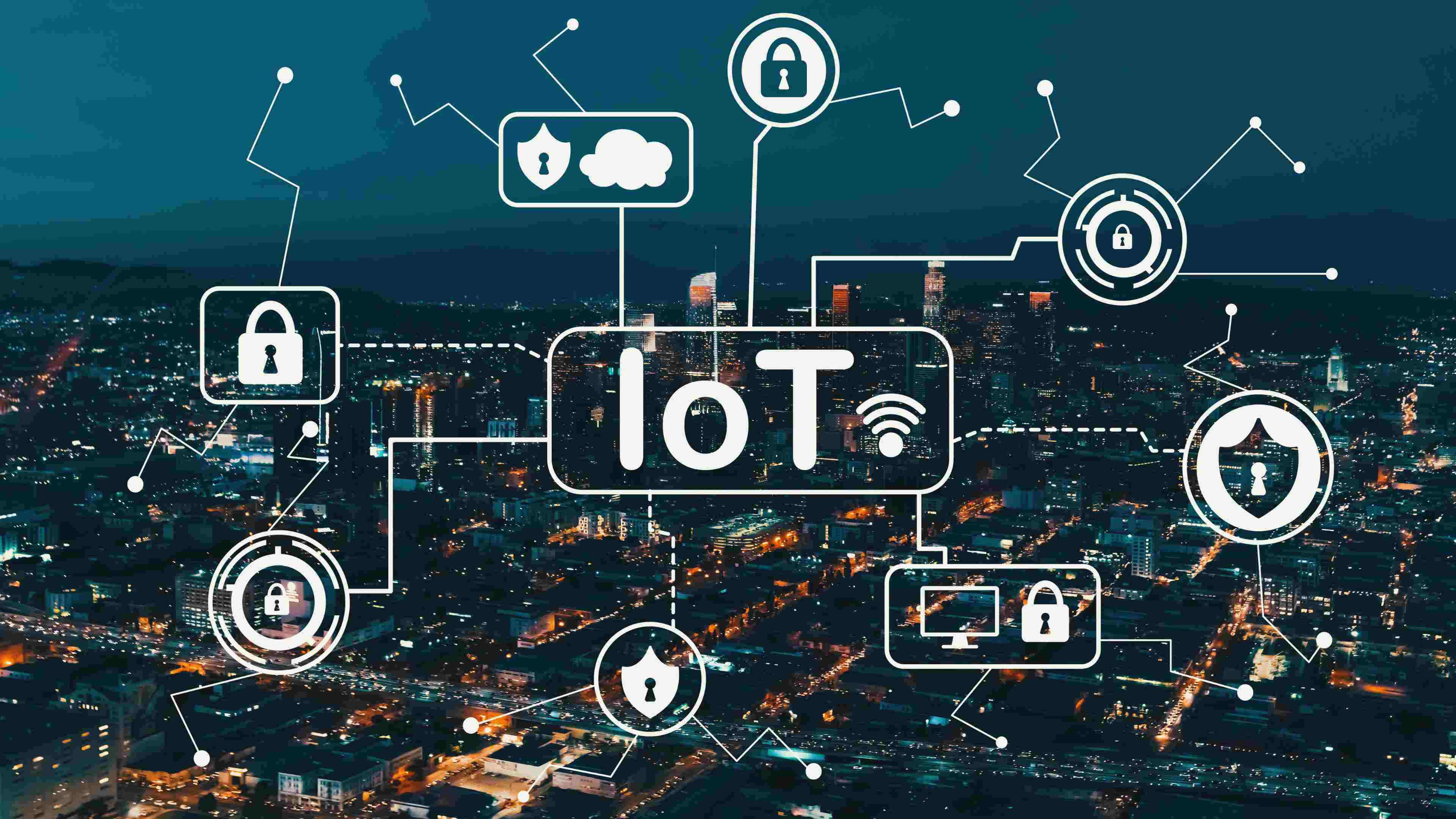
How Is IOT Used In Smart Cities
The Internet of Things (IoT) plays a crucial role in the development of smart cities by improving urban infrastructure, enhancing services, and creating a more sustainable and efficient environment. Here are some key ways IoT is used in smart cities:
Traffic Management:
- IoT sensors and cameras monitor traffic flow, congestion, and incidents in real-time.
- Smart traffic lights can adapt their timing based on traffic conditions to reduce congestion and improve traffic flow.
- IoT-enabled parking systems help drivers find available parking spaces, reducing traffic and emissions.
Public Transportation:
- IoT-based tracking and scheduling systems provide real-time information on public transportation, including buses and trains.
- Smart ticketing systems allow contactless payments and easy access to public transit.
Waste Management:
- Smart waste bins equipped with IoT sensors monitor fill levels.
- Collection routes can be optimized to reduce fuel consumption and operational costs.
Environmental Monitoring:
- IoT sensors measure air quality, temperature, humidity, and pollution levels.
- Data is used to assess environmental conditions, support public health initiatives, and take corrective actions.
Energy Management:
- IoT solutions monitor and manage energy consumption in public buildings, streetlights, and infrastructure.
- Smart grids balance supply and demand, reduce energy wastage, and incorporate renewable energy sources.
Water Management:
- IoT sensors monitor water quality, detect leaks, and measure water usage.
- Water distribution systems can be optimized for efficiency and conservation.
Public Safety and Emergency Response:
- IoT-connected surveillance cameras enhance public safety and assist law enforcement.
- Sensors can detect incidents like fires or gas leaks, triggering immediate responses.
Smart Street Lighting:
- IoT-controlled streetlights adjust brightness based on pedestrian and vehicular traffic, saving energy.
- Lighting schedules can be optimized for energy efficiency.
Urban Planning and Development:
- IoT data supports urban planners in making informed decisions about land use, transportation, and infrastructure development.
- Simulations and modeling tools aid in city planning and growth management.
Waterfront and Flood Management:
- IoT-based flood monitoring systems predict and manage flood events.
- Early warnings and evacuation plans can be communicated to residents.
Smart Buildings and Homes:
- Smart home and building automation systems enhance energy efficiency and comfort.
- IoT devices can control lighting, HVAC, security, and appliances based on occupancy and usage patterns.
Tourism and Hospitality:
- IoT technology enhances the visitor experience through location-based services, interactive kiosks, and mobile apps.
- Tourist data can be used for marketing and infrastructure planning.
Public Health:
- IoT sensors can detect disease outbreaks, monitor public health parameters, and provide data for epidemiological studies.
- Smart healthcare facilities improve patient care and emergency response.
Community Engagement:
- IoT-driven apps and platforms enable citizens to engage with city services, report issues, and participate in decision-making processes.
Noise and Pollution Control:
- IoT sensors measure noise levels and pollution in urban areas.
- Data helps enforce noise ordinances and mitigate environmental pollution.
Crisis Management and Disaster Preparedness:
- IoT systems support disaster preparedness and response efforts by monitoring critical infrastructure and providing real-time data during emergencies.
IoT in smart cities promotes sustainability, efficiency, and improved quality of life for residents and visitors. However, it also raises important concerns about data privacy, security, and scalability that cities must address to ensure the responsible and secure deployment of IoT technologies.
